The gap between interest and capability in event coordination is real, and it rarely closes on its own. OpenEdge Digital was built to close it deliberately.
Event coordination is one of those professions that looks learnable from the outside, where it seems like common sense and enthusiasm should be enough to get started. That impression collapses quickly the first time a supplier goes unreachable two days before an event, or a venue walkthrough reveals a loading dock that cannot accommodate the catering setup, or a client asks for a timeline and you realize you have never actually built one from scratch before. The gap between knowing events happen and knowing how to make them happen well is significant, and it tends to surface at the worst possible moments.
Most people entering the field learn by assisting at events and absorbing what they observe, which has real value but also real limits. Observation teaches you what a working event looks like from the inside, but it rarely teaches you the decision logic behind each element: why the timeline is structured the way it is, how the supplier rates were arrived at, what the contingency plan covers and what it deliberately leaves to judgment. Without that underlying logic, you can replicate what you've seen but you cannot adapt it confidently to a new context.
OpenEdge Digital created the weekend intensive to provide that underlying logic in concentrated, practical form. The twelve hours are designed to give participants not just tools and templates but the reasoning behind those tools, so they can use them flexibly and build on them over time rather than following them rigidly and getting stuck when a real situation doesn't match the template exactly.

"The logic behind the tools matters as much as the tools themselves."
The aesthetic elements of events attract most people to the field, but the logistical structure is what makes those elements possible. We focus on the structure first, because a coordinator who understands the operational layer can support the creative layer far more effectively than one who has only ever thought about the creative side.
Every document in the intensive reflects how coordination work actually happens, including the messy parts like budget variances, supplier renegotiations, and timeline revisions. We do not present an idealized version of the process. We present the real one, with the tools to navigate it.
The frameworks introduced in the intensive are designed to be adapted, not followed verbatim. Every event is different, every client relationship is different, and every supplier dynamic is different. The goal is to give participants a strong enough grasp of the underlying logic that they can make good judgments in novel situations.
The intensive is designed to be accessible to people at different stages of their coordination journey, but accessibility does not mean surface-level. The content goes into genuine depth on each topic, and participants leave with a thorough working knowledge rather than a general awareness.
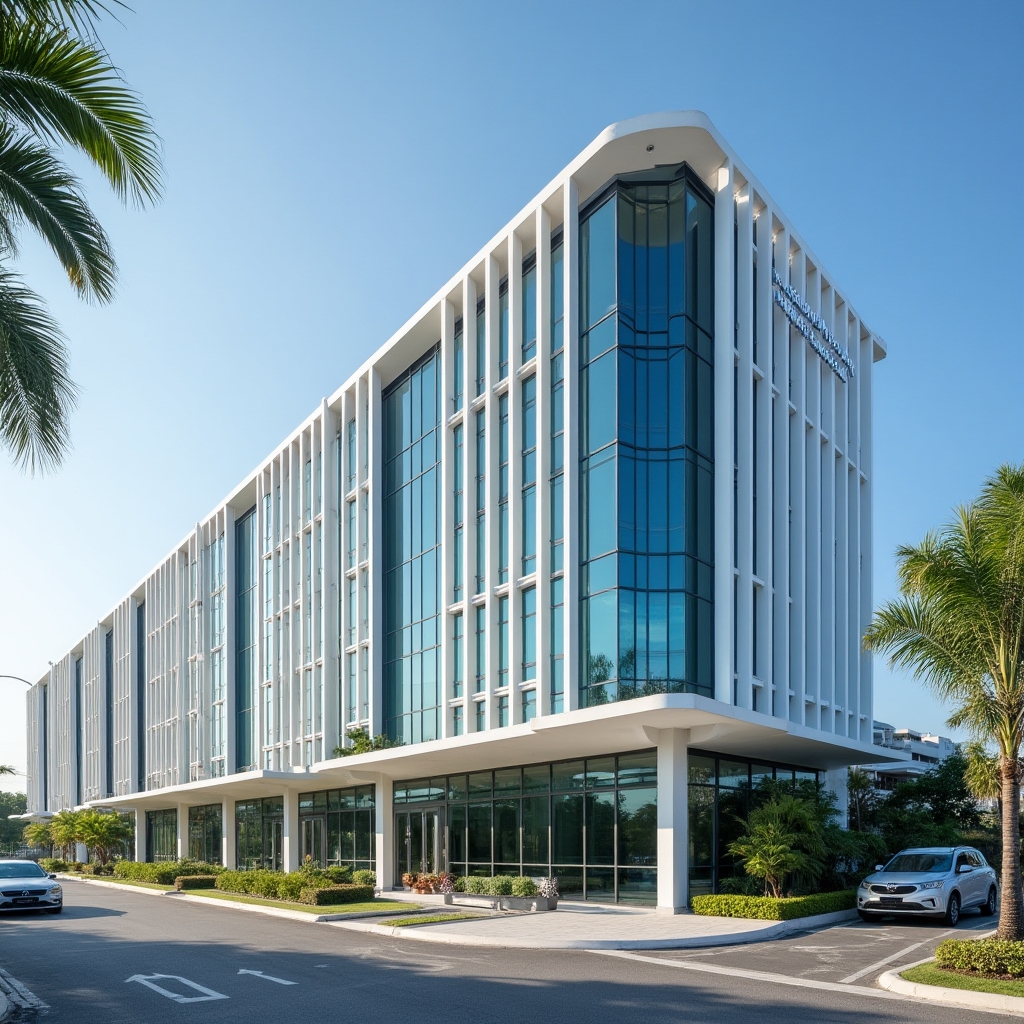
The intensive is held in Bacolod City, a place with a rich and active events culture built around celebrations, corporate gatherings, and community occasions that draw on local traditions while operating at a professional level. The event industry in the Visayas has its own rhythms, supplier relationships, and venue dynamics, and the intensive is grounded in that specific context rather than built around assumptions from a different market.
Participants who are building a practice in the region will find that the supplier scripts, venue assessment criteria, and case study reflect the kinds of situations they are actually likely to encounter, which makes the tools more immediately applicable than generic frameworks built without geographic context.
Floor O Hotel
52 San Sebastian St
Bacolod, 6100 Negros Occidental